
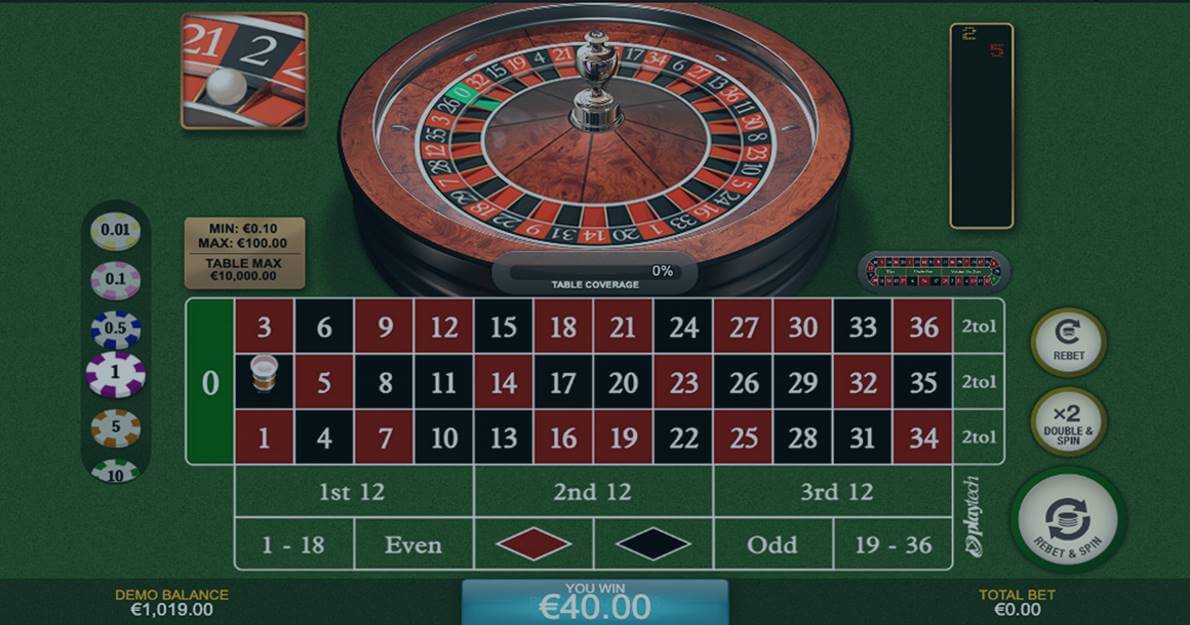
The cultural world hry 20p Roulette Game holds klidné okouzlení, obzvláště víru v karmu vetkané do how people play 20proulette.uk. To přesahuje a spinning wheel. Stává se duševní tanec kde fate, fortune, a vlastní energie hráče se zdánlivě setkávají. Hráči vnášejí své vlastní bohaté pověry k terminálu, budujíce vyprávění které mění jednoduchou hru v rituál o kosmické rovnováze.
Myšlenka of Cosmic Debt a kreditu
Spousta běžných hráčů funguje na principu cosmic banking. They feel a streak of bad luck builds up “karmickou půjčku”, který musí nakonec vést ve výhru. Naopak, a big win může být vnímáno as taking out “dluhu” vůči osudu, což je vede k tomu, že hrají obezřetněji. Toto přesvědčení vytváří a personal ledger. Každé 20p zatočení je obchod s hernou, and also s kosmem.
Ritualistic Behaviours Prior to Spinning
The actions players take before the ball drops carries deep meaning. Players often display someone touch the screen in a set pattern, mutter something quietly, or pause for a particular sensation. These actions aren’t random. They represent deliberate tries to synchronise personal vibes with the result. It’s a way to push karma, to shift the odds through a focused ritual.
The Concept of Hot and Cold Machines
A widespread notion focuses on the vibe of individual terminals. A “hot” machine is believed to be in a generous karmic cycle. A “cold” one appears energetically drained. Users commonly leave from a machine after a few losses, convinced it holds negative energy for them. They seek out units where a recent winner played, hoping to catch the tail end of that good karma.
Shared Luck

A kind of communal fortune pops up in venues. When one person wins, others nearby might quickly place their own bet. They think the good fortune lingers, ready to be shared. A table seen as unfortunate gets avoided. This forms a temporary community tied together by a belief in contagious luck, where one player’s karma briefly becomes everyone’s chance.
The Function of Personal Charms and Talismans
Using physical objects to pull in positive karma is really common. It might be a lucky coin or a particular ring. These talismans carry deep personal meaning. Players handle them or glance at them during play, using them as anchors to focus good intent. They work as psychological tools, making the vague idea of karma something solid and somewhat manageable.
Narrative of “Testing” Destiny
Some players experience karmic testing. They might start with a minuscule bet, like the 20p stake, just to “see how the universe feels today.” A loss signals a sign to be careful or attempt a new approach. A win functions as a green light. This makes the game a conversation with fate. Each spin poses a question, and the outcome gives the universe’s reply.
Blame and Reward Moral Framing
An interesting moral layer exists here. Players sometimes view a potential win as a “reward” for recent hard times or a good deed. Losses could be explained away as karma for some small guilt or mistake. This personal moral accounting builds a story around randomness. It causes financial results feel meaningful and even deserved within their own life.
The Fresh Start Idea After a Loss
Following a major loss, a powerful idea about a karmic reset commonly takes control. The thinking goes that luck must balance out. Thus a big loss “wipes the slate clean” and makes a win feel just around the corner. This idea keeps gamblers active. It turns disappointment into eager waiting. It reinterprets a negative result as a necessary step toward a positive one.
Digital Medium and Spiritual Bond
Even with an online game, players look for a spiritual bond. The press of the screen, the look of the spinning wheel, the sound effects all become parts of the karmic ceremony. The digital format doesn’t diminish these ideas. It updates them. The interface becomes a conduit for intention, a modern medium for that old human wish to sway chance.
FAQ
What precisely are karma beliefs in 20p Roulette?
They are personal superstitions where players think their behavior, energy, or moral code can influence the game’s random result. It’s a psychological framework that gives meaning to luck. A simple spin turns into a test of luck or cosmic balance, and it’s firmly embedded in the playing culture.
Do these beliefs actually impact the game’s outcome?
No. The game uses a Random Number Generator, rendering every spin separate and unpredictable. But these beliefs deeply shape player psychology. They alter how people bet, which machine they pick, and how long they play. They build a personal sense of control inside a system of pure chance.
What makes the 20p stake significant for these beliefs?
The low stake lowers the financial risk. That lets superstition bloom without serious consequence. It renders the game perfect for trying luck or performing karmic rituals regularly. The 20p coin turns into a token for connecting with fortune, not just money. It allows a more whimsical interaction with fate.
Are these notions unique to the UK?
Faith in luck and karma is global. But the specific habits around low-stake roulette terminals form a distinct subculture in UK gambling venues. The social feel of betting shops and how accessible the game is have assisted these shared rituals and superstitions develop over time.

What do venues handle these player rituals?
Venues typically remain neutral. These behaviours don’t affect the game’s fairness. Staff frequently view them as just part of the customer setting. Some might casually talk about charmed machines, but the official line always emphasizes the randomness of each result. The core message is responsible play.
Can taking on these beliefs be harmful?
They bring fun and story, but recall they are fiction. Misinterpreting them for a real strategy can lead to problem play. It’s wise to see them as cultural folklore, not a system. Responsible gambling means savoring the ritual while grasping the mathematical reality of random chance.